




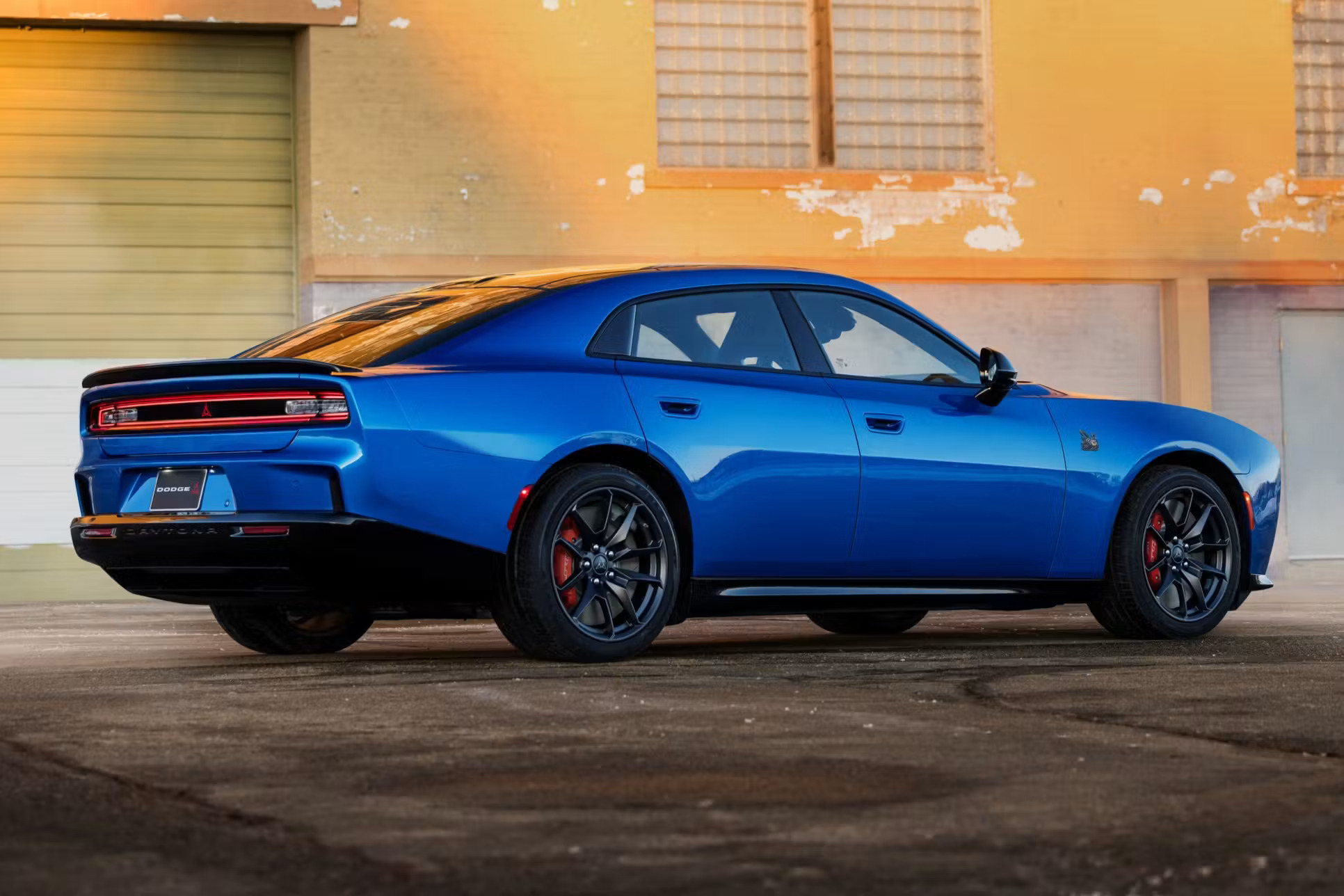
This content was aggregated from local dealer and data and insights provided by the USA Today Network Automotive Insights team using Google Gemini and the Vehicles for Sale Near Detroit – Free Press Edition marketplace writing team.
Is It Cheaper Over Five Years to Lease or Buy a 2026 Charger If I Daily Drive It in Metro Detroit?
Deciding between leasing and buying a new vehicle is a big choice, especially when it comes to an exciting model like the 2026 Dodge Charger. For drivers in Metro Detroit, whether you're commuting through Clinton Township, Sterling Heights, Warren, or Detroit, understanding the financial differences over a five-year period is key. The best option often depends on your annual mileage, what you hope to get out of owning a car, your monthly budget, and how long you plan to keep the vehicle.
Understanding Your Options: Lease or Buy?
The question "Is leasing a Dodge Charger cheaper than buying?" doesn't have a simple yes or no answer. In terms of monthly payments, leasing a Dodge Charger typically results in lower payments compared to buying. This is because when you lease, you're essentially paying for the vehicle's depreciation during the lease term, not its full purchase price. This can free up cash in your monthly budget, which is appealing for many.
The Impact of Mileage on Leasing
One of the biggest factors for Metro Detroit commuters considering a lease is mileage. Lease agreements come with strict annual mileage allowances, often 10,000 to 15,000 miles per year. If you drive more than the lease mileage allowance, you will face significant penalties, usually a per-mile charge that can quickly add up. For someone with a daily commute from Clinton Township to downtown Detroit, or frequent trips across the region, exceeding these limits is a real possibility. This makes buying a 2026 Dodge Charger a more flexible option for high-mileage drivers, as there are no mileage restrictions.
Ownership Equity and Long-Term Value
When you buy a 2026 Dodge Charger, you build ownership equity over time. As you make loan payments, you own more and more of the vehicle. This equity can be used as a trade-in value for your next car or becomes an asset if you decide to sell. How does ownership equity affect long-term costs? While buying often means higher initial monthly payments, you eventually pay off the loan and own the vehicle outright. At this point, your only ongoing costs are insurance, maintenance, and fuel. This means buying becomes more affordable if you keep the vehicle longer, especially beyond the loan term, as you eliminate monthly car payments.
With leasing, you don't build equity. At the end of the lease, you return the vehicle or have the option to buy it at a predetermined price. While you avoid the hassle of selling a used car, you also don't gain any value from the vehicle's long-term ownership.
Depreciation, Financing, and Maintenance
Depreciation is a key factor in both options. Vehicles lose value over time, and a significant portion of this loss happens in the first few years. When leasing, the depreciation is built into your payments. When buying, you bear the full brunt of depreciation, but it's offset by the equity you build. Financing terms, including interest rates, also play a big role in the overall cost of buying. At Parkway CDJR in Clinton Township, MI, near Detroit, our finance team can help you understand the options for both leasing and buying a 2026 Dodge Charger.
Maintenance is another consideration. For both leased and purchased vehicles, regular maintenance is crucial to keep your 2026 Dodge Charger running smoothly. While leased cars are typically under warranty for the lease term, buyers of a Dodge Charger will eventually face out-of-warranty repairs, which can be costly as the vehicle ages.
Which Option Makes Sense for Metro Detroit Commuters?
For Metro Detroit commuters, the choice largely comes down to your driving habits and financial goals. If you have a predictable, lower-mileage commute and enjoy driving a new car every few years with lower monthly payments, leasing might be a great fit. You get to experience the latest features and technology of a Dodge Charger without the long-term commitment of ownership.
However, if your commute involves significant mileage, or you plan to keep your vehicle for many years, buying a 2026 Dodge Charger often makes more financial sense in the long run. You build equity, avoid mileage penalties, and eventually eliminate monthly car payments, leading to lower overall costs over an extended period. For those who value ownership and the freedom it provides, buying offers a clear advantage.
Ultimately, the right choice for your 2026 Dodge Charger depends on your personal situation. We invite you to visit Parkway CDJR in Clinton Township, MI, to discuss your options and find the perfect Dodge Charger for your Metro Detroit lifestyle.
Disclaimer: The content provided in this article is intended for informational purposes only. Vehicle images may not depict the exact model, trim, features, packages, accessories, or specifications described. Vehicle pricing, availability, features, and specifications are subject to change without notice. Please consult the dealership directly for complete and accurate vehicle information.
Written for Parkway Chrysler Jeep Inc
By the USA TODAY Network Automotive Insights Team, in collaboration with https://vehiclesforsaleneardetroit.com/ and the Vehicles for Sale Near Detroit – Free Press Edition.
